TPO Roofing – Is It Good for Your Commercial Building?

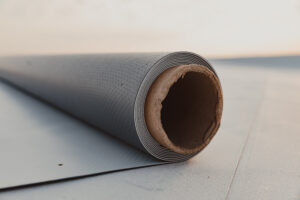
TPO membrane – is a waterproofing membrane obtained from modified polyethylene (rubber), with different thicknesses, and with a life span of at least 25 years.

TPO roofing Atlanta

Flexible. Safe. Durable.

These three words describe the properties of a TPO (Thermoplastic Polyolefin) membrane. Almost no other roofing material is as suitable for waterproofing and allows such a quick and easy application! TPO membranes are resistant to UV rays and high mechanical stress. Leading TPO roofing Atlanta specialists tell us that due to their flexibility, they can easily withstand temperature-induced demands; they cover cracks very well and are a permanent waterproofing agent.

The TPO membrane is applied by welding its edges using hot air. By avoiding open flame welding, application is much safer – even in problematic areas!

The TPO composition may vary depending on the manufacturer. TPO membranes stand out for their excellent welding, flexibility and adhesion in a wide temperature range. Their unique composition ensures superior mechanical properties and an unusually low flammability.

White, these membranes are an ecological solution that contributes to a better level of energy efficiency. Also, the quality/price ratio of TPO membranes is excellent, which makes them very popular, especially since they come with quite long warranties, and an estimated lifespan that promises protection in the long run.

Related Posts

Hiring an Atlanta Commercial Roofer for Rubber Roofing Repairs

rubber roofing Atlanta

Also known as rubber roofing, TPO contains elements that provide it with its flexibility, superior performance, energy-efficient and environmentally-conscious qualities. Before picking TPO, an experienced commercial roofer would advise their customer to consider the pros and cons of this type of roofing. However, a commercial roofer’s job does not end with the installation of the roof. It continues with maintenance and repair services according to the warranty that both the professional and the customer have agreed upon.

TPO roofing (Thermoplastic Polyolefin roofing) is a single-ply roofing membrane usually used for commercial roofing. It is an expensive option, but has high R-value rating. In general, its price ranges from three to seven dollars per square foot.

In addition, rubber roofing uses a type of rubber that reflects light and heat due to its bright white color. It also resists corrosion, mildew and algae growth. Moreover, it does not require pressure washing, therefore, lowering maintenance costs significantly. However, the quality of rubber roofing mostly depends on the manufacturer and the wide range of different thicknesses.

In Atlanta, rubber roofing is preferred for its specific coloring: pink, blue or green. These colors are naturally reflective. As a result, they reflect light and heat from the building so that the interior can be easily cooled down during summer.

There are many commercial roofers in Atlanta. However, choosing the right rubber roofing Atlanta specialist for rubber roofing repairs is no easy task. After a roof installation project is completed, maintenance should be sought with the same professional company that is bound by contract to provide services such as roof coating. The type of services required post-installation should be decided on after considering the following factors: roof visibility, location of the building, green initiatives, insulation and original construction materials. The estimate of rubber roofing repairs should include costs of materials, payment due dates and termination policy. To conclude, in terms of maintenance and repairs, the entire roofing system should be carefully considered before deciding on rubber roofing.

Reasons to Consider Rubber Roofing for Your Commercial Building

Rubber roofing can be a very good idea for your commercial building for some very good reasons. First of all, it is naturally resistant to problems such as mold, corrosion and when it is vulcanized it can become even stronger, as its molecules are bonded together.

Because it is flexible, rubber roofing can resist stretching and breaking. Because it is waterproof, it can provide excellent protection during the rainy and cold seasons.

rubber roofing Atlanta

Affordable rubber roofing Atlanta contractors affirm that rubber roofs are easy to install. We need to say that rubber roofing is not limited to the deeper levels of your roofing system, and that the exterior layers can also be made of rubber.

There are several different types of rubber roofing to choose from. For instance, you can go for EPDM, which can absorb heat and can be found in light-colors, which make it highly reflective. TPO is yet another great material from the point of view of energy efficiency. Because it has heat-welded seams, it is much more resistant than EPDM.

PVC has chlorine salts and also plasticizing elements that make it very flexible. Overall, PVC is long-lasting and efficient.

At any rate, rubber is popular due to its robust nature, due to which roofs can last for more than 20 years.

Metal Roofing vs. TPO Roofing – Which Is Best for Atlanta?

metal roofing Atlanta

When it comes to the materials used for constructing commercial roofing in Atlanta, metal and TPO are the two most popular options. Here are some features that you should know about before choosing one of the two options over the other:

  • Roof life – according to manufacturers and to the studies performed by independent research groups, metal and TPO roofing materials differ considerably in terms of service life. High-end metal roofing Atlanta contractors confirm that structures built from zinc-coated aluminum can last for around six decades, however, the warranted service life of TPO membranes is usually around 25 years.
  • Wind resistance – TPO roofs being constructed from membranes that are fastened very tightly to the decking, they are considered to be stronger when exposed to high winds than metal roofs, especially when compared to standing seam metal roofs that more readily allow wind gusts to reach underneath.
  • Snow load – TPO roofs might have a hard time when exposed very thick layers of snow, metal being a better option for areas that get heavy snowing.
  • Maintenance needs – metal and TPO are both considered to be low maintenance materials. They both need to be regularly cleaned and inspected by a professional, but in most cases those maintenance visits will not reveal any major fault that needs expensive repairs.