Reasons to Consider Rubber Roofing for Your Commercial Building

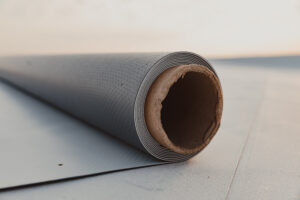
Rubber roofing can be a very good idea for your commercial building for some very good reasons. First of all, it is naturally resistant to problems such as mold, corrosion and when it is vulcanized it can become even stronger, as its molecules are bonded together.

Because it is flexible, rubber roofing can resist stretching and breaking. Because it is waterproof, it can provide excellent protection during the rainy and cold seasons.
rubber roofing Atlanta

Affordable rubber roofing Atlanta contractors affirm that rubber roofs are easy to install. We need to say that rubber roofing is not limited to the deeper levels of your roofing system, and that the exterior layers can also be made of rubber.

There are several different types of rubber roofing to choose from. For instance, you can go for EPDM, which can absorb heat and can be found in light-colors, which make it highly reflective. TPO is yet another great material from the point of view of energy efficiency. Because it has heat-welded seams, it is much more resistant than EPDM.

PVC has chlorine salts and also plasticizing elements that make it very flexible. Overall, PVC is long-lasting and efficient.

At any rate, rubber is popular due to its robust nature, due to which roofs can last for more than 20 years.


Related Posts

Hiring The Best Atlanta Commercial Roofer for Your Project

Atlanta commercial roofing contractors

Looking for the best Atlanta commercial roofing contractors can be time consuming, but it will be worth the effort, because the expertise of the specialists is precisely the detail that will ensure the protection that your commercial building needs in the long term.

Details to consider include:

Experience. Regardless of the typology of your project, the specifications of the architects, your own preferences, or the weather conditions, a team of commercial roofers has experience in working with flat roofs and with the most suitable types of coverings, so they will deliver the best results.

Portfolio. In addition to the accumulated experience, the portfolio is also important. The more types of successfully completed commercial roofing projects it includes, the more confident you can be that you are choosing the best services.

Complete solutions. It is important that when you choose a commercial roofer in Atlanta, it can provide a wide range of services. From consultation, to sales, installation and warranty, you can make sure that you have everything you need to be covered – and not just metaphorically!

Suppliers. Reputable commercial roofers work with important suppliers and are even certified by them.

Roof warranty. No, not the one provided by the manufacturer of the roof cover or accessories, but the workmanship warranty, which also includes post-warranty services and the availability of the contracted team to help you, in case of further problems.


How the Atlanta Climate Can Damage a Low-Quality Roof

commercial roofer Atlanta

The Atlanta climate, characterized by hot and humid summers and occasional severe weather events, can pose significant challenges to low-quality roofs in the region.

Atlanta experiences high temperatures during the summer months, which can cause the materials in a low-quality roof to deteriorate quickly. Intense heat and prolonged exposure to UV radiation can lead to cracking, warping, and fading of roofing materials. Over time, this can compromise the roof’s integrity and leak.

The humidity in Atlanta can be quite high, especially in the summer. Moisture can seep into the cracks and gaps of a low-quality roof, leading to mold, mildew, and rot growth. Moisture damage can weaken the roof structure and contribute to the development of leaks and water infiltration.

At the same time, Atlanta is prone to heavy rainfalls and severe storms, including thunderstorms and tropical systems. Low-quality roofs may have inadequate water resistance and poor drainage systems, making them vulnerable to water pooling, leaks, and potential water damage. Strong winds, which sometimes accompany storms, can dislodge the loosely attached roofing materials, compromising the roof’s integrity.

Because Atlanta occasionally experiences hailstorms and strong winds, especially during severe weather events, hailstones can cause dents, punctures, or cracks in low-quality roofing materials.

Consult with a trusted commercial roofer Atlanta area expert to determine the best roof needed to protect your commercial building.


Which Types of Rubber Roofing Do Experts Recommend the Most?

Rubber roofing can represent a good alternative for asphalt shingles. Moreover, you can add a protective layer over your already existing roof. There are three main types of rubber roofing systems, including EPDM, PVC, TPO or rubber shingles.

The total costs for rubber roofing may depend on several factors, including the thickness of the rubber, if it is fully adhered or mechanically fastened, or in case ballast is also used. Top rubber roofing Atlanta specialists confirm that the costs are also influenced by the necessity to remove the already existing roof layers and if decking or insulating are required during the installation of your rubber roofing system.

EPDM, namely ethylene propylene diene terpolymer is a synthetic rubber material which is preferred by many homeowners due to the fact that it can be easily installed by using just one sheet, as opposed to other systems which require the installation of several different layers.

TPO is highly recommended in hot climates, because it can reduce energy costs. As compared to EPDM though, TPO requires more time and skills, and therefore the labor costs also tend to be higher than in the case of EPDM. But TPO is available in different colors. PVC is another good example of rubber roofing system which can be found in various colors.