4 Awesome Advantages of Thermal Roof Inspections

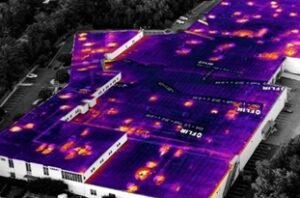
Thermal cameras are just as great – if not more so – for performing roof inspections as drones. While drones provide a bird’s eye view and help the roofer catch small details that they wouldn’t be able to notice otherwise, premier drone thermal roof inspection services go the extra mile.
drone thermal roof inspection

They help roofers create a complete 3D picture of not just the visible surface area of the roof, but of the interior as well, including the roof’s ability to withstand heat and any possible leaks that might show up on the camera as excess water and therefore places where the heat reading would not be as pronounced.

Thermal cameras have a lot of great advantages when it comes to roof inspections:

  • They are easy to use and manage.
  • They provide excellent footage attesting to the way in which your roof responds to heat, which is equally useful in looking at its heat insulating capabilities as it is for keeping storm damage at bay.
  • They help your roofing experts to quickly get to the bottom of the issue and minimize the amount of time they need to spend on inspecting and evaluating the roof’s condition.
  • In some cases, they might even help to increase the efficiency and reduce the cost of the repair work that your roof requires.


Related Posts

3 Flat Roofing Products You Will Need for Better Energy Efficiency

flat roofing Atlanta

The ideal roof would be 100% reflective in summer and 100% absorbent in winter, but a roof cannot change its reflective and emission properties. As a result, the overall energy efficiency of a roof must be assessed by comparing the energy saved from temperature regulation during the hot summer months with the energy consumed in the cold season.

TPO membranes – Roof systems that reflect the sun’s rays can save energy and money. They are suitable year round in warm environments, in the hot summer months, and in temperate areas. Reflective roofs are metallic or very light colored, and TPO membranes are typically white or light gray.

In addition to reducing the cooling demand for the entire building, a low roof temperature also increases the efficiency of the installed photovoltaic system. Where there is a HVAC system installed, the efficiency of transporting cold air throughout the building is also dramatically increased. According to flat roofing Atlanta experts, this leads to low energy consumption, an environmentally friendly impact.

PVC membranes can be manufactured in light gray or slate gray, so they have similar properties to TPO membranes when it comes to energy efficiency. Their advantage is better resistance to very high temperatures.

EPDM membranes are dark in color, making them suitable for cold areas with less sunshine.  Energy efficiency can still be achieved when they are installed in sunny areas by covering them with a layer of white liquid coating. This will also deliver additional protection.


Flat Roofing Concerns for Bad Weather Conditions

Flat roofing can be a great choice for commercial and residential buildings, but it’s important to be aware of potential concerns in bad weather conditions. Storms, rain, snow and ice can all do a number on your roof, and all of them are possible, even in a relatively warm and balanced city like Atlanta.

flat roofing Atlanta

Flat roofs are more prone to leaks during heavy rain than sloped roofs. You’ll have to make sure that your flat roof has proper drainage systems in place, including gutters and downspouts. Regular inspections scheduled with flat roofing Atlanta maintenance specialists, along with clearing debris from drains and gutters, can also help prevent water damage.

High winds are yet another stressor that you can experience in the Atlanta area. Even the best flat roofs can be more vulnerable to high winds compared to sloped roofs. To minimize damage from high winds, it’s important to ensure that your flat roof is properly secured and has adequate flashing and sealing around vents and other penetrations.

Most commercial flat roofing systems can be more susceptible to hail damage than sloped roofs. A roofing material that is impact-resistant and that has been properly installed and maintained is your best chance to avoid damage done by strong hail impact.

Finally, flat roofs can absorb a lot of heat, which can lead to structural damage and energy inefficiency. To address this concern, it’s important to choose a roofing material with high reflectivity, such as metal, and to ensure that the roof is properly insulated and ventilated.

Is Rubber Roofing More Effective Than Metal Roofs for Commercial Applications?

Atlanta commercial roofing contractor

Your choice of roofing materials is a complex matter, and can be influenced by several important factors. For instance, you may be interested in finding out which solution is more efficient –rubber roofing or metal roofing? Here is some insight from an A+ BBB accredited Atlanta commercial roofing contractor.

For one thing, rubber roofing does not allow water to seep into your commercial roof too easily. There are several different types of rubber roofs, including EPDM, PVC, TPO and rubber shingles. As compared to metal roofing, rubber roofing has the advantage of being more affordable, less maintenance, fireproof, and also recyclable. But it tends to be less resistant in case of extreme weather.

Metal roofs are extremely durable and can be found in different colors, finishes, and textures. But as compared to rubber, metal does not look as good due to its rough texture. Installation and materials tend to cost more than in the case of rubber, and this type of roof can be more difficult to fix.

So, if you want a cheap and easy-to-install roof fix for your commercial applications, you should go for rubber. But if you need a roof which has to withstand hard weather conditions, metal roofing is the best option for you. And both of these options can be installed over an existing roof.