3 Issues to Avoid When Installing Commercial Metal Roofs

metal roofing Atlanta

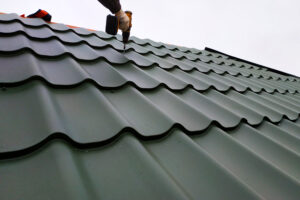
Commercial metal roofs are considerably less popular than residential metal roofing. However, even though EPDM, TPO, bitumen and other types of flat roofing systems have the spotlight for the time being, metal is one of the best and arguably the most durable type of roof used for commercial buildings.

If you want your metal roof to last for half a century as it’s supposed to, you’ll have to consider its most important installation requirements and long term care considerations. Here are some of the most basic ones to remember:

1. Don’t underestimate the importance of proper coating. Many types of metal will rust when exposed to rain, and the coating you choose will prevent that from happening.
2. Make sure the roof is properly fastened. Some metal panels are quite light, and they can be dislodged by strong winds if they are not properly fastened. Talk to a trusted metal roofing Atlanta contractor about this and make sure they give you all the right information.
3. Talk to your roofers about the specific long term maintenance solutions you’ll need to take into consideration. Metal might be low-maintenance but it still requires some care. If you don’t want to deal with it, ask your roofers about their long term maintenance plan and how much it would cost.


Related Posts

Tips to Choose the Best Commercial Roof for Your Building in Atlanta

EPDM roofing Atlanta

The humid subtropical climate of Atlanta comes with four distinct seasons and lots of precipitation the year around. These special climate conditions expose local roofs to special conditions and challenges, which also means that the materials used on local roofs need particular qualities. Here are some of the most common choices for commercial roofs in the city:

  • Metal – available in a variety of alloy versions, the metal sheets and panels used for making flat roofs are popular due their affordability, easy installation and low maintenance needs. Metal roofs are also very durable, giving the commercial facilities they are installed on adequate protection for around 30-40 years.
  • Membranes – Economical EPDM roofing Atlanta contractors confirm that membrane solutions are popular due to their resistance to puncture, easy installation and and durability. TPO and EPDM are the two most common examples of membrane roofing materials.  TPO roofs usually come in white, grey and tan, which ensures superior heat reflectivity, while EPDM comes in black, which absorbs heat.
  • Built-up roofs – one of the most traditional solutions used on flat roofs, these structures consist of alternated layers of asphalt sheets and some kind of aggregate, such as mineral granules. The solution is popular due to the low costs and low maintenance needs.

Best Materials For Commercial Roofing In Atlanta

EPDM roofing Atlanta

Bituminous membranes are materials for waterproofing that are used quite often for commercial roofing in Atlanta. They are made of modified bitumen to which elasto-plastomer polymers are added, and they are manufactured with different finishes on the upper side (sand, aluminum foil, mineral slate, etc.)

Different uses include:

  • Preventing water infiltration through the roof
  • Restoration of flat commercial roofs
  • Waterproofing circulating or non-circulating flat roofs

Careful!

According to trusted EPDM roofing Atlanta contractors, before purchasing bituminous membranes, the complexity of the work to be performed must be taken into account, in order to choose the right membrane from the point of view of the quality-price ratio (do not to buy membranes for roads and bridges if you have to insulate the roof!).

Tips

Bituminous membranes can be put into operation at an ambient temperature between +5 degrees C and +35 degrees C.

  • The most important advantages of the membranes made from additive bitumen are the cold flexibility (up to -25 degrees Celsius) and the hot stability, between 110 and 130 degrees Celsius. These two technical characteristics differentiate additive membranes from oxidized bitumen membranes. Unfavorable weather conditions such as rain, snow or humidity of the surface to be insulated can compromise the quality of the work.
  • Keep in mind that the required materials must be 1.12 / 1.15 times larger than the measured surface, due to the longitudinal and transverse overlaps when applying the membranes, and the losses that occur at the joints.

The Difficulty of Commercial Roofing – Atlanta Tips from Experienced Professionals

Atlanta commercial roofing contractors

Commercial roofing is no walk in the park. It is a challenging task that requires expertise and experience to get it right. If you are in Atlanta and facing commercial roofing issues, worry not! Read some valuable tips from experienced professionals to help you navigate the difficulties and make your roofing project a success!

  • Do not play rooftop roulette!

When it comes to commercial roofing, taking chances is not the best strategy. Avoid the temptation to cut corners or rely on DIY methods. Instead, entrust your roofing needs to experienced and knowledgeable Atlanta commercial roofing contractors who understand the complexities of commercial roofing in Atlanta.

  • Choose the right materials

The materials you use for your commercial roof can make a significant difference in its durability and longevity. Consult with experienced professionals who can guide you towards the best materials for Atlanta’s climate and specific requirements. Investing in quality materials now will save you from headaches and repairs down the road.

  • Maintenance matters

Regular maintenance is key to extending the lifespan of your commercial roof. Do not neglect routine inspections and necessary repairs, because prevention is always better (and cheaper!) than a full-blown roofing disaster.

  • Look beyond the surface

Roofing problems are not always obvious to the untrained eye. Leaks, structural issues, or insulation problems may lurk beneath the surface. That’s why it is crucial to have experienced professionals conduct thorough periodic inspections and assessments.