Essential Concerns to Bring Up with Your Atlanta Commercial Roofer

Atlanta commercial roofing contractor

If you are in charge of a commercial building in Atlanta, having the number of a local Atlanta commercial roofing contractor on speed dial is very important. If you have recently started your activity as the building’s manager, it is even more important to arrange for a meeting with your Atlanta commercial roofer to discuss your concerns. Here are some topics that you might want to bring up:

  • The condition of your roof – ideally, your commercial roof should be inspected by a professional twice a year, in spring and in fall, to ensure the continued good performance of your roof. These inspection and maintenance visits are usually very affordable and most commercial roofers also offer maintenance programs that you can enroll your roof into, so if your roof is not yet enrolled into such a program, discuss the option with your contractor.
  • Upcoming roof repairs – knowing what is next is always important if you are a building manager, so another important topic to discuss with your roofer is whether there are any important repairs that should be completed soon.
  • The life span of your roof – having an idea about how long you can expect your roof to stay on your building without being affected by major problems is another important issue. Your contractor will provide an evaluation of your roof based on the roof’s age as well as its condition.

 

Related Posts

Hiring an Atlanta Commercial Roofer for Rubber Roofing Repairs

rubber roofing Atlanta

Also known as rubber roofing, TPO contains elements that provide it with its flexibility, superior performance, energy-efficient and environmentally-conscious qualities. Before picking TPO, an experienced commercial roofer would advise their customer to consider the pros and cons of this type of roofing. However, a commercial roofer’s job does not end with the installation of the roof. It continues with maintenance and repair services according to the warranty that both the professional and the customer have agreed upon.

TPO roofing (Thermoplastic Polyolefin roofing) is a single-ply roofing membrane usually used for commercial roofing. It is an expensive option, but has high R-value rating. In general, its price ranges from three to seven dollars per square foot.

In addition, rubber roofing uses a type of rubber that reflects light and heat due to its bright white color. It also resists corrosion, mildew and algae growth. Moreover, it does not require pressure washing, therefore, lowering maintenance costs significantly. However, the quality of rubber roofing mostly depends on the manufacturer and the wide range of different thicknesses.

In Atlanta, rubber roofing is preferred for its specific coloring: pink, blue or green. These colors are naturally reflective. As a result, they reflect light and heat from the building so that the interior can be easily cooled down during summer.

There are many commercial roofers in Atlanta. However, choosing the right rubber roofing Atlanta specialist for rubber roofing repairs is no easy task. After a roof installation project is completed, maintenance should be sought with the same professional company that is bound by contract to provide services such as roof coating. The type of services required post-installation should be decided on after considering the following factors: roof visibility, location of the building, green initiatives, insulation and original construction materials. The estimate of rubber roofing repairs should include costs of materials, payment due dates and termination policy. To conclude, in terms of maintenance and repairs, the entire roofing system should be carefully considered before deciding on rubber roofing.

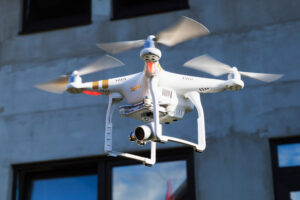
Drone Thermal Roof Inspection Identifies Earliest Signs of Damage

Water infiltration is one of the most costly problems in the roofing industry. Water leaks through the roof can lead to the destruction of thermal insulation, loss of its thermal properties, damage to the structure, as well as material damage inside the building. All these cost building owners a lot of money, every year.

drone inspection

Completing a cost effective drone inspection brings significant benefits when it comes to detecting water leaks:

  • Quickly and accurately identifies the earliest signs of damage
  • Reduces heating and cooling costs of the building
  • Ensures the quality inspection in the case of the execution of new roofs or the rehabilitation of existing ones
  • Increases the lifespan of an existing roof
  • Documents roof issues before their warranty expires
  • Provides accurate data for proper budgeting
  • Reduces water damage to the building and the roof structure
  • It is a valuable tool for those who want to sell, buy or rent a building

How it works?

During the day, the sun emits energy that is absorbed by the roof; then, at night, the roof radiates the heat. Wet roof surfaces retain heat longer than dry ones. The infrared camera attached to the drone can detect this heat and “see” the surfaces where there is moisture in the roof system as being warmer.

Tips to Choose the Best Commercial Roof for Your Building in Atlanta

EPDM roofing Atlanta

The humid subtropical climate of Atlanta comes with four distinct seasons and lots of precipitation the year around. These special climate conditions expose local roofs to special conditions and challenges, which also means that the materials used on local roofs need particular qualities. Here are some of the most common choices for commercial roofs in the city:

  • Metal – available in a variety of alloy versions, the metal sheets and panels used for making flat roofs are popular due their affordability, easy installation and low maintenance needs. Metal roofs are also very durable, giving the commercial facilities they are installed on adequate protection for around 30-40 years.
  • Membranes – Economical EPDM roofing Atlanta contractors confirm that membrane solutions are popular due to their resistance to puncture, easy installation and and durability. TPO and EPDM are the two most common examples of membrane roofing materials.  TPO roofs usually come in white, grey and tan, which ensures superior heat reflectivity, while EPDM comes in black, which absorbs heat.
  • Built-up roofs – one of the most traditional solutions used on flat roofs, these structures consist of alternated layers of asphalt sheets and some kind of aggregate, such as mineral granules. The solution is popular due to the low costs and low maintenance needs.