
Why Flat Roofing Is the Type of Roofing Most Atlanta Businesses Tend to Choose?

Atlanta commercial roofing contractor

Although, in the past, the best type of roof was considered to be the pitched roof, nowadays, flat roofs have become much more popular and not only when it comes to commercial or industrial buildings.

A full service Atlanta commercial roofing contractor confirms that the advantages of flat roofs make them very suitable for Atlanta climate, as well as for the needs of local business owners:

  • modern and aesthetic look
  • moderate construction costs
  • low maintenance costs
  • stability of the microclimate in the indoor space below the roof by preventing heat loss in winter and overheating in summer
  • reduced vulnerability to wind and hail
  • potential for a high ecological contribution
  • better use of the space inside the building
  • the possibility to use the roof for various purposes (installation of photovoltaic panels, arrangement of a green terrace, etc.)

The execution of a flat roof is demanding, especially when it comes to waterproofing. It is also essential to plan and execute the drainage system well and to ensure an impeccable vapor barrier to prevent excessive moisture build-up.

Proper waterproofing of a flat roof provides very good protection against water infiltration and moisture. Nowadays, waterproofing membranes are very efficient, resistant to exposure, and very elastic, ensuring a very long lifespan. That is why flat roofs are the type most Atlanta businesses tend to use.
Related Posts

Maximize Your Atlanta Building’s Space and Protection with Quality Flat Roofing

TPO roofing AtlantaFlat roofs are one of the most versatile and efficient types available. A flat roof on an Atlanta commercial building can provide peace of mind for the building’s occupants. Not only does it protect the building from the elements, but it also maximizes the space within the building. With quality flat roofing, Atlanta businesses can take full advantage of the roof’s multiple benefits. Here are some of their benefits:

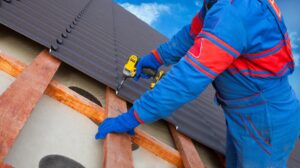
  • Increased usable space: Since a flat roof does not require slopes or valleys, the area of the roof is maximized for usable space. This allows for more efficient use of the building, allowing businesses to make better use of the entire space.
  • Cost savings: Flat roofs can have a lower overall price tag than other types due to their simplified construction and installation.
  • Enhanced protection: With quality flat roofing, Atlanta businesses can improve the overall protection of their facility from rain and snow, extreme temperatures, and other elements.
  • Increased insulation: Flat roofs are better at retaining heat, making the building more energy efficient.
  • Added style: Flat roofs can come in various colors and designs to complement the aesthetics of the building.

Synthetic TPO roofing Atlanta specialists affirm that flat roofs are an excellent choice for maximizing the space and protection of a commercial building. They offer enhanced protection, better insulation, and cost savings, making them a perfect option for businesses in Atlanta. Companies can improve their building’s protection, appearance, and functionality with quality flat roofing.

Metal Roofing vs. TPO Roofing – Which Is Best for Atlanta?

metal roofing Atlanta

When it comes to the materials used for constructing commercial roofing in Atlanta, metal and TPO are the two most popular options. Here are some features that you should know about before choosing one of the two options over the other:

  • Roof life – according to manufacturers and to the studies performed by independent research groups, metal and TPO roofing materials differ considerably in terms of service life. High-end metal roofing Atlanta contractors confirm that structures built from zinc-coated aluminum can last for around six decades, however, the warranted service life of TPO membranes is usually around 25 years.
  • Wind resistance – TPO roofs being constructed from membranes that are fastened very tightly to the decking, they are considered to be stronger when exposed to high winds than metal roofs, especially when compared to standing seam metal roofs that more readily allow wind gusts to reach underneath.
  • Snow load – TPO roofs might have a hard time when exposed very thick layers of snow, metal being a better option for areas that get heavy snowing.
  • Maintenance needs – metal and TPO are both considered to be low maintenance materials. They both need to be regularly cleaned and inspected by a professional, but in most cases those maintenance visits will not reveal any major fault that needs expensive repairs.


What Does Commercial Metal Roofing Maintenance Involve?

Commercial metal roofing is a new trend in the roofing industry that has recently flowered across most Western countries. There are many advantages to commercial metal roofing, which is why residents usually choose this option over others. However, in order to benefit from this type of roofing, one requires their local metal roofing company to provide appropriate and easy solutions regarding roofing maintenance. A well maintained metal roof will last considerably longer, cost you less in repairs in the long term, and it will also simply look better overall – and, with commercial buildings, looks are often just as important as practicality.

metal roofing Atlanta

So what maintenance does a commercial metal roof typically need?

  • Regular inspections for damage
  • Regular checkups to detect corrosion and penetration point areas
  • Checking for leaks and water damage
  • Cleaning off the metal panels and removing debris from drains and gutters
  • Fixing loose panel seams and damaged flashing
  • Repairing small scratches and rusted areas
  • Trimming branches near the roof to prevent scratches or even more severe damage

These are just a few of the maintenance tasks that can be done to prolong the life and aesthetics of a commercial metal roof. A skilled metal roofing Atlanta contractor can tackle all these tasks and put together a maintenance plan for your roofing system.