How to Make the Most Out of Flat Roofing

Should a roof always be pitched? No, even if, each time we say “roof”, the first thing that comes to mind is probably the conventional type, with sloped surfaces. The flat roof is now an option not only for commercial buildings, but also for residential buildings – providing an urban-elegant finish, in which the shape and details of the building are what matter the most.
Atlanta commercial roofing contractors

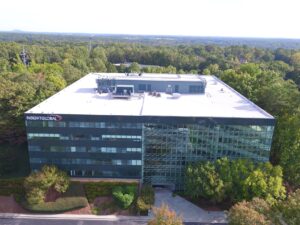
To make the most out of your flat roof, you must make sure, first of all, that you use quality cover materials. Nowadays, single-ply rubber membranes are the most durable and convenient solutions, also supporting other projects you might have in mind to make the most of your flat roof.

A great advantage of a flat roof is that you can turn it into a small green oasis or, if you want to generate energy, you can cover the sky-facing area with solar panels.

Both the green roof garden and the most modern photovoltaic system are possible with a flat roof, because subsequent installation and service work very well for all kinds of equipment (air conditioning systems, solar panels, antennas etc.) and are convenient.

The numerous design options offered by such a roof have made it a modern classic that satisfies many tastes, from garden enthusiasts to fans of passive houses with high energy efficiency.

Talk to licensed Atlanta commercial roofing contractors for the quality roofing services. Superior Commercial Roofing and Contracting will provide you with exceptional roofing services, and knowledgeable information about commercial roofing options.


Related Posts

Flat vs. Sloped Roofing Systems Used for Atlanta Commercial Buildings 

Commercial building owners in Atlanta may need to decide at some point whether to install a flat or sloped roofing system on their building. Both options come with distinct advantages and disadvantages that should be weighed against the specific needs and requirements of the building. Here are some of the key points to consider:

Flat Roofing Systems:

  • Typically more cost-effective and easier to install than sloped roofs;
  • Provide extra space for outdoor installations such as rooftop gardens, solar panels, and HVAC equipment;
  • Offer super-accessible maintenance and repair work;
  • Prone to leaks and water damage;
  • Lack of slope makes it difficult for water to drain properly, leading to potential structural issues and mold growth.

Atlanta commercial roofing contractor

Sloped Roofing Systems:

  • Better suited for areas with high precipitation since the slope allows water to drain off effectively;
  • Less likely to experience water damage and leaks;
  • Offer better insulation and ventilation, leading to lower energy bills and a more comfortable indoor environment;
  • Require more extensive installation and maintenance work, resulting in higher costs;
  • Have less usable space compared to flat roofs, making it challenging to install rooftop features.

Ultimately, the choice between a flat or sloped roofing system depends on several factors such as budget, climate, and the intended use of the building. It is crucial to consult with a preferred Atlanta commercial roofing contractor who can assess the specific needs of your building and recommend the most appropriate option. Regardless of the chosen roofing system, regular maintenance and inspection are essential to ensure the longevity and safety of the building.

TPO Roofing – Is It a Desirable Option for Residential Buildings?

flat roofing Atlanta

Compared to less durable roofing options, TPO has a lot of advantages. It can last for up to 30 years without needing significant repairs, and most of what you have to do is to remove debris and make sure its reflective qualities are kept intact. These benefits alone make TPO a better option than asphalt shingle roofing, since the latter doesn’t last as long and is less capable of reflecting UV radiation.

TPO is a great cool roof, which makes it ideal for warmer climates. Yet, according to expert flat roofing Atlanta contractors, it’s also good when you need an impact-resistant roof for areas where hail storms are common. That last point pretty much invalidates the idea that a flat roof can’t be a residential roof because it’s flat. Many sloped roofing systems will be less resilient in the face of powerful storms, and will likely require far more expensive repairs compared to a durable TPO roof.

Finally, when it comes to aesthetics, TPO – like any other flat roof – will not beat the beauty and diversity of a metal or natural slate roof. However, it makes up for that through ease of installation, affordable construction and quicker repairs. So basically, if you’re just looking for a resilient and practical roofing system that’s available at a relatively cheap price, then TPO roofing will be perfect for your residential building.

Asking the Right Questions from an Expert in Commercial Roofing in Atlanta

Replacing their roof – many commercial building owners do it once, and others, luckier, never, because now there are very durable materials for flat roofs (e.g., single-ply synthetic membranes).
If you must to replace your commercial roof, do not despair! It is an investment that will ensure a better performance for your building, and a reliable contractor will be the key to the success of such a project.

TPO roofing Atlanta
According to a great TPO roofing Atlanta contractor I know, to choose an expert in commercial roofing in Atlanta, you should ask the right questions.
• Can I receive a written estimate of my project?
You should consider only written estimates, which detail everything from costs, authorizations and inspections, to warranties.
• What materials do you recommend?
Keep in mind that, in general, you get what you pay for. This has never been truer than in the case of roofs. Often, when a roof fails prematurely, sub-standard materials are to blame. Cutting corners simply does not work to your advantage, so always choose the best quality-price ratio, instead of the cheapest products.
• How long can I wait for the new roof to last?
A commercial roof can last from 10-15 to 40 years and even longer, depending on the materials it is made from. Weather and traffic are other factors that may affect its longevity.