4 Awesome Advantages of Thermal Roof Inspections

Thermal cameras are just as great – if not more so – for performing roof inspections as drones. While drones provide a bird’s eye view and help the roofer catch small details that they wouldn’t be able to notice otherwise, premier drone thermal roof inspection services go the extra mile.
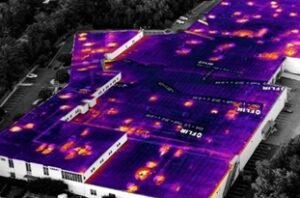
drone thermal roof inspection

They help roofers create a complete 3D picture of not just the visible surface area of the roof, but of the interior as well, including the roof’s ability to withstand heat and any possible leaks that might show up on the camera as excess water and therefore places where the heat reading would not be as pronounced.

Thermal cameras have a lot of great advantages when it comes to roof inspections:

  • They are easy to use and manage.
  • They provide excellent footage attesting to the way in which your roof responds to heat, which is equally useful in looking at its heat insulating capabilities as it is for keeping storm damage at bay.
  • They help your roofing experts to quickly get to the bottom of the issue and minimize the amount of time they need to spend on inspecting and evaluating the roof’s condition.
  • In some cases, they might even help to increase the efficiency and reduce the cost of the repair work that your roof requires.

Related Posts

Flat Roofing Concerns for Bad Weather Conditions

Flat roofing can be a great choice for commercial and residential buildings, but it’s important to be aware of potential concerns in bad weather conditions. Storms, rain, snow and ice can all do a number on your roof, and all of them are possible, even in a relatively warm and balanced city like Atlanta.

flat roofing Atlanta

Flat roofs are more prone to leaks during heavy rain than sloped roofs. You’ll have to make sure that your flat roof has proper drainage systems in place, including gutters and downspouts. Regular inspections scheduled with flat roofing Atlanta maintenance specialists, along with clearing debris from drains and gutters, can also help prevent water damage.

High winds are yet another stressor that you can experience in the Atlanta area. Even the best flat roofs can be more vulnerable to high winds compared to sloped roofs. To minimize damage from high winds, it’s important to ensure that your flat roof is properly secured and has adequate flashing and sealing around vents and other penetrations.

Most commercial flat roofing systems can be more susceptible to hail damage than sloped roofs. A roofing material that is impact-resistant and that has been properly installed and maintained is your best chance to avoid damage done by strong hail impact.

Finally, flat roofs can absorb a lot of heat, which can lead to structural damage and energy inefficiency. To address this concern, it’s important to choose a roofing material with high reflectivity, such as metal, and to ensure that the roof is properly insulated and ventilated.

Best Materials For Commercial Roofing In Atlanta

EPDM roofing Atlanta

Bituminous membranes are materials for waterproofing that are used quite often for commercial roofing in Atlanta. They are made of modified bitumen to which elasto-plastomer polymers are added, and they are manufactured with different finishes on the upper side (sand, aluminum foil, mineral slate, etc.)

Different uses include:

  • Preventing water infiltration through the roof
  • Restoration of flat commercial roofs
  • Waterproofing circulating or non-circulating flat roofs

Careful!

According to trusted EPDM roofing Atlanta contractors, before purchasing bituminous membranes, the complexity of the work to be performed must be taken into account, in order to choose the right membrane from the point of view of the quality-price ratio (do not to buy membranes for roads and bridges if you have to insulate the roof!).

Tips

Bituminous membranes can be put into operation at an ambient temperature between +5 degrees C and +35 degrees C.

  • The most important advantages of the membranes made from additive bitumen are the cold flexibility (up to -25 degrees Celsius) and the hot stability, between 110 and 130 degrees Celsius. These two technical characteristics differentiate additive membranes from oxidized bitumen membranes. Unfavorable weather conditions such as rain, snow or humidity of the surface to be insulated can compromise the quality of the work.
  • Keep in mind that the required materials must be 1.12 / 1.15 times larger than the measured surface, due to the longitudinal and transverse overlaps when applying the membranes, and the losses that occur at the joints.

How Resilient Is a TPO Roof?

TPO roofing Atlanta

There is a lot of talk among experts about the resilience and reliability of a TPO roof. While it can be compared with other types of rubber roofing membranes such as EPDM roofing, TPO is considered one of the best type of roof because it’s basically a single ply membrane that’s easy to install and has an excellent track record against puncture damage caused by hail, fallen tree branches and just about anything else.

Although a TPO roof won’t stop a meteorite from hitting your building, it’s still very resilient compared to other types of flat roofing systems. Even metal roofing can have some vulnerabilities that single ply TPO roofing doesn’t have – for instance, the fact that it’s laid down in sections or panels, and the seams can be quite vulnerable to water damage. In contrast, TPO has hot air-weldable seams. Combined with the added resilience of the rubber membrane, this makes it one of the most durable flat roofs around.

TPO roofing has been around for decades, and the composition and method of adherence has evolved over time. Today you have various options such as having it chemically adhered, ballasted or fastened to the interior structure, each of which gives specific benefits. Find out more about them by contacting your friendly local TPO roofing Atlanta contractors and inquiring about which fastening solution would be best in your case.